Why Your Intruder Alarm System Should Do More Than Go Off After a Break-In
Most businesses have an intruder alarm in place. It gets set at the end of the day, unset in the morning, and doesn't get much thought beyond that. If it goes off, something's gone wrong. If it doesn't, everything's fine.
That logic works until it doesn't.
An intruder alarm system that's designed properly does more than sound a siren after someone has already gained access. It deters, detects early, and supports a fast, informed response. The difference between those two versions of the same system is significant, and it usually comes down to how well it was designed and how recently it's been reviewed.
Deterrence is the first line of defence
A visible, well-installed alarm system changes the risk calculation for anyone considering an opportunistic attempt. Signage, external sounders, and detection coverage that's clearly in place signal that a property is actively protected. In many cases, that's enough to move the risk elsewhere.
But deterrence alone has limits. A system that deters but fails to detect, or detects too late, still leaves a gap. The goal is a setup where deterrence and early detection work together rather than relying on one or the other.
Why system design makes the difference
Not all intruder alarm systems are created equal, even when they're technically compliant. A poorly designed system can leave areas of a building unprotected, generate frequent false alarms that erode confidence in the system, or fail to respond to the specific ways your premises are accessed and used.
Effective design takes into account the layout of the building and how it's actually used day to day, including which areas carry the most risk, which entry points are most vulnerable, and how activity patterns change outside of working hours. Without that level of consideration, a system might meet the minimum requirements on paper while providing incomplete protection in practice.
False alarms are a bigger problem than most businesses realise
Frequent false alarms don't just cause inconvenience. Over time, they erode trust in the system and lead to slower responses when a real alert comes through. If staff or monitoring centres become conditioned to treat alarms as likely false, the system's value is significantly undermined.
Common causes include sensors positioned in the wrong locations, detection zones that haven't been calibrated to account for environmental factors, and configuration that hasn't been updated to reflect changes in how the building is used. All of these are preventable with the right design and regular review.
Buildings change. Systems often don't.
One of the most common issues we encounter is a system that was well specified at the point of installation but hasn't kept pace with the building since.
A layout change that creates new access routes. Additional storage that affects sensor coverage. A change in operating hours that means parts of the building are occupied at times the system wasn't designed to account for. Each of these can quietly reduce the effectiveness of a system without anything visibly going wrong.
Regular reviews, not just servicing, are what keeps a system aligned with how a building is actually being used. Servicing confirms the equipment is working. A review confirms it's still right.
Integrating with wider security
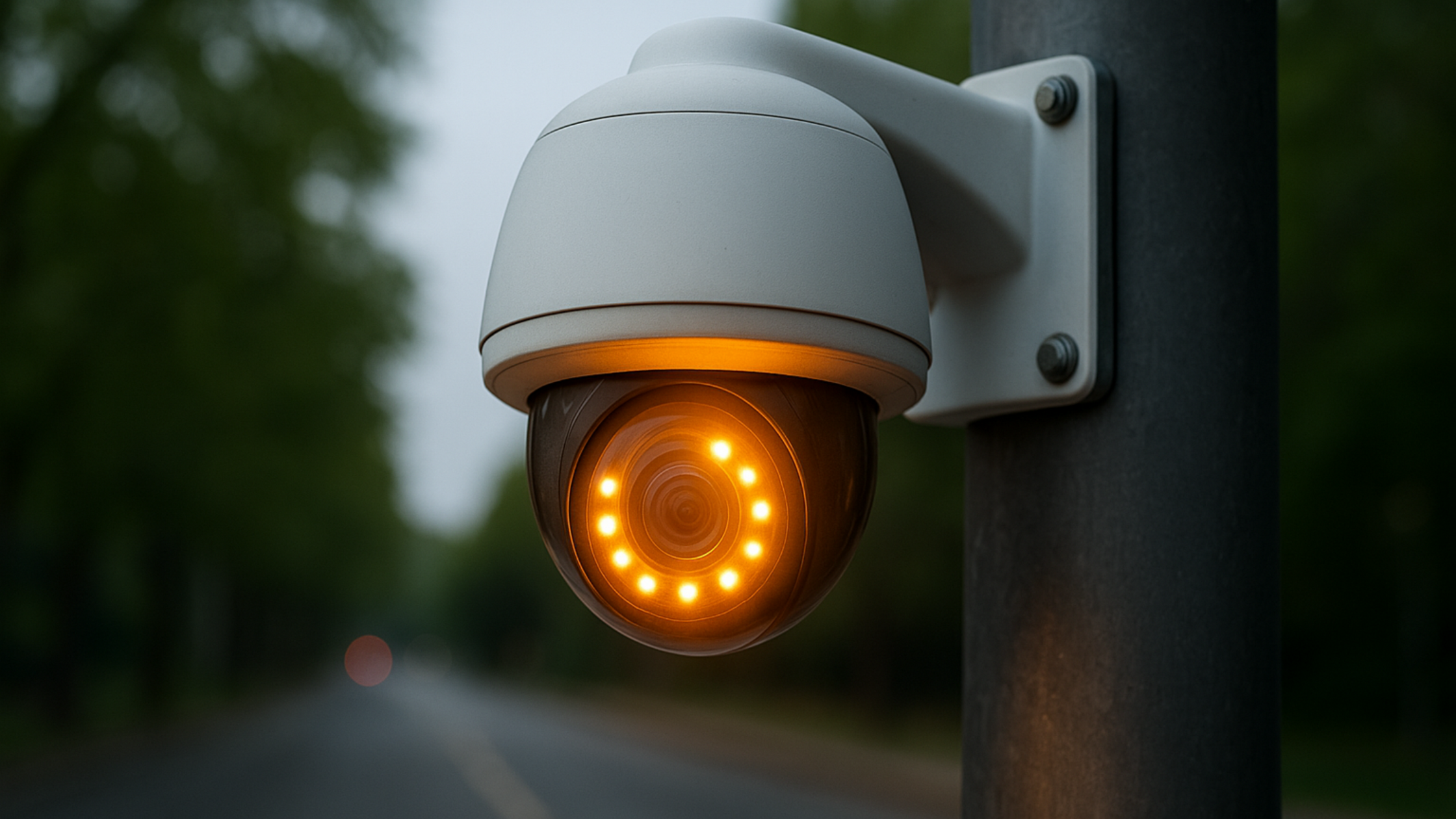
Intruder alarms are most effective when they form part of a connected security setup. Integrating with CCTV allows alerts to be visually verified in real time, reducing response time and improving the quality of information available when something happens. Linking with access control adds another layer of visibility over who is on site and when.
When these systems work together, the overall security picture is clearer and the ability to respond quickly and accurately is significantly improved.
How Valley Fire & Security approaches it
We design intruder alarm systems around how your premises actually operate, not around a standard template. That means understanding your risk areas, your usage patterns, and how the system needs to fit within your wider security setup.
We also provide ongoing maintenance and periodic reviews so the system continues to reflect your building as it changes over time. Because we deliver security and fire safety together, everything is designed to work as part of a joined-up solution from the outset.
If your current intruder alarm system hasn't been reviewed recently, or if you're not confident it still reflects your site, get in touch and we'll take a look.